Understanding Why We Do What We Do And How We Can Change
We all develop ways of coping that help us in some ways and hurt us in others. My approach begins with the belief that even our most troubling behaviors make sense in the context of our lives.
Through curiosity, compassion, and collaboration, we can discover what drives these patterns, what needs they serve, and how to create meaningful, lasting change.
Integrative Harm Reduction Psychotherapy Trainings
Professional Consultation Groups with Andrew
2026 Training Schedule
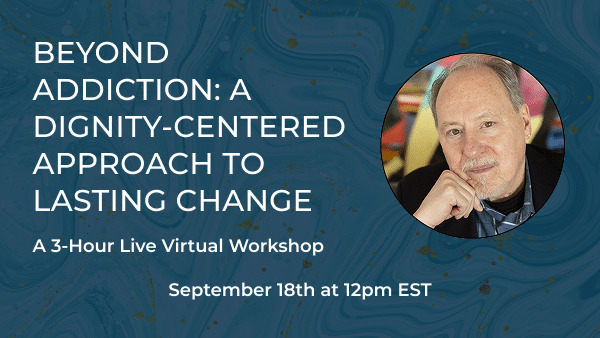
Join Andrew Tatarsky, PhD for a live 3-hour workshop exploring a compassionate, dignity-centered approach to addiction and compulsive behaviors. Learn how to understand the underlying needs behind behaviors, break the cycle of shame, respond to urges with greater awareness, and develop practical tools for lasting change.
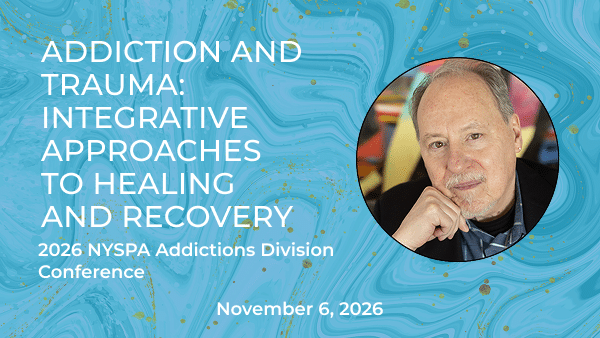
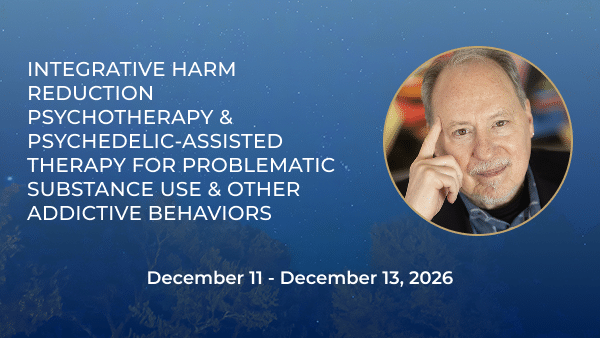
Upcoming Events
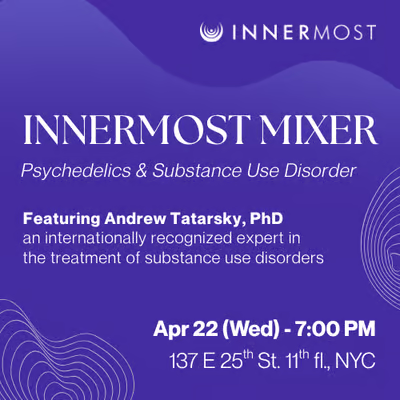
InnerMost Mixer with Andrew Tatarsky, PhD: Psychedelics & Substance Use Disorders
An evening of connection with leaders shaping the future of therapy in New York City and beyond, featuring Andrew Tatarsky, PhD, an internationally recognized expert in the treatment of substance use disorders
“Healing is not about fixing who you are, it’s about supporting who you already are becoming.”
— Andrew Tatarsky
Why Is It So Hard to Change Something That Hurts Us?
We all develop ways of coping with life’s challenges. Some involve alcohol or other substances. Others involve relationships, work, food, avoidance, or familiar emotional and behavioral patterns.
These behaviors often serve important purposes. They may help us find relief, manage difficult feelings, experience pleasure or connection, or simply get through challenging times.
But sometimes the very things that help us also begin to hurt us.
That’s what can make change so difficult.
One part of us may want to stop or change a behavior because of the problems it’s creating, while another part wants to continue because of what it provides.
Rather than judging these struggles or insisting on a particular solution, I believe meaningful change begins with understanding.
When we become curious about why our behaviors make sense, what needs they serve, and what we truly want, new possibilities for positive change can emerge.

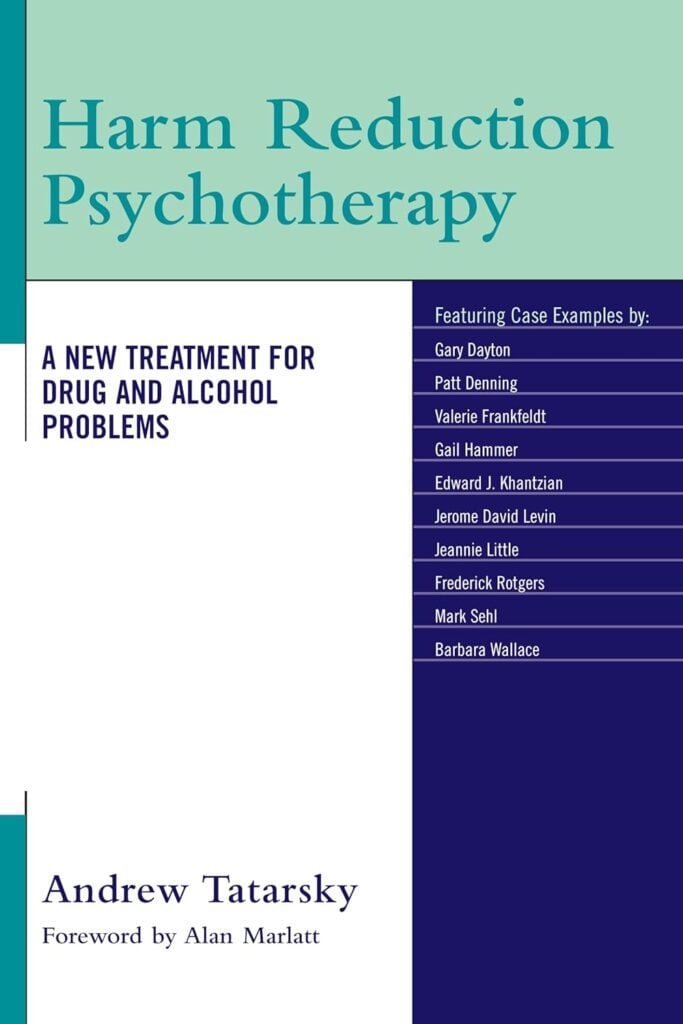
Integrative Harm Reduction Psychotherapy
IHRP is based on a simple belief:
Any positive change is meaningful.
Integrative Harm Reduction Psychotherapy (IHRP) is a compassionate, collaborative approach to understanding and changing behaviors that both help and hurt us.
Rather than treating these behaviors simply as problems to eliminate, IHRP explores their emotional meanings, the needs they serve, and the reasons they can be so difficult to change.
By combining self-acceptance, curiosity, emotional exploration, and practical strategies for change, IHRP helps people develop healthier, more satisfying ways of caring for themselves.
Whether your goals involve moderation, abstinence, changing a difficult relationship pattern, or finding new ways of managing emotions, the work begins with you; your experience, your needs, and your hopes for change.
Free book in Russian
Free book in Spanish
A Different Approach: Understanding Before Changing
What if, instead of asking “What’s wrong with me?” we began by asking, “Why does this behavior make sense?”
This simple shift can transform how we understand ourselves and how change becomes possible.
My approach begins with the belief that even behaviors that cause suffering have meaning and serve important purposes. They may represent attempts to manage painful feelings, find comfort or connection, protect ourselves, or meet needs that have gone unrecognized.
Together, we explore these patterns with curiosity rather than judgment, making room for all the feelings involved, including the part that wants to change and the part that doesn’t.
Understanding ourselves more fully creates opportunities to develop new choices, strengthen emotional resilience, and move toward a more satisfying life.
MEETING PEOPLE WHERE THEY ARE
This work begins without judgment or prerequisites. Individuals are not required to identify in a particular way or commit to abstinence before starting therapy. The process is collaborative and responsive to each person’s current reality.
No Shame, No Judgment
Shame and stigma are not therapeutic tools. This approach creates space for honest exploration without blame, scolding, or pressure, recognizing that change happens more effectively through curiosity and understanding.
CLIENTS CHOOSE THEIR GOALS
Harm reduction supports a wide range of goals, including safer use, reduced use, moderation, abstinence, or other forms of positive change. Treatment is guided by what feels realistic, meaningful, and supportive of overall wellbeing.
COMPASSIONATE, COLLABORATIVE, AND EVIDENCE BASED
Integrative harm reduction psychotherapy draws from established clinical methods, combining psychodynamic depth with practical behavior change strategies. It is both scientifically informed and deeply human, offering support that respects dignity and complexity.
Healing does not mean the damage never existed. It means the damage no longer controls our lives.
A New Way to Understand Ourselves and Create Change
Even behaviors that become harmful make sense in the context of our lives.
Whether we’re struggling with substance use, compulsive behaviors, anxiety, difficult relationships, or patterns we repeatedly promise ourselves we’ll change, these struggles are often connected to our emotional lives, personal histories, relationships, and ways of coping.
Over decades of clinical practice, I’ve come to understand that lasting change is not simply a matter of willpower, self-control, or eliminating unwanted behaviors.
It begins with understanding why we do what we do.
This understanding led me to develop Integrative Harm Reduction Psychotherapy, an approach that brings together relational psychotherapy, mindfulness, self-compassion, and practical cognitive and behavioral strategies.
The goal is not simply to stop doing something that hurts us, but to understand ourselves more deeply and develop healthier, more satisfying ways of living.
Who This Work Supports
This approach may be especially helpful if you:
- Feel caught in patterns that help you cope but also cause problems in your life
- Find yourself repeating behaviors you want to change but have difficulty letting go of
- Struggle with alcohol, other substances, or compulsive behaviors
- Experience anxiety, depression, shame, self-criticism, or difficulties in relationships
- Feel torn between wanting to change and wanting to hold on to familiar ways of coping
- Want to understand yourself more deeply, rather than simply manage symptoms
- Have felt judged, misunderstood, or pressured in previous therapy or treatment
- Want a collaborative, compassionate approach that respects your autonomy and personal goals
You don’t have to know exactly what you want to change—or how to change it—to begin. We can discover that together.
Who Might Benefit from This Approach?
What if there was a way to get professional help that doesn’t label you or force you into a box? An approach that understands substance use as meaningful, something that can be about coping, surviving, or solving problems, rather than simply a disease.
- People Who Feel Stuck in Patterns They Want to Change
You may recognize that something you’re doing is creating problems, yet find yourself returning to it again and again. You want to understand why change feels so difficult and discover new possibilities without blaming or criticizing yourself.
- People Whose Lives Look Successful but Who Are Struggling Inside
You may be doing well professionally or personally while privately struggling with substance use, compulsive behaviors, anxiety, self-criticism, or emotional distress. You want a confidential, thoughtful space to explore what’s happening beneath the surface.
- People Struggling with Alcohol or Other Substances
You may be concerned about your drinking or drug use but uncertain about what changes you want to make. Whether you’re considering moderation, safer use, abstinence, or simply understanding your relationship with substances, your goals and experience will guide our work.
- People Who Feel Conflicted About Change
Part of you wants things to be different, while another part is attached to the behavior or pattern you’re struggling with. Rather than treating this conflict as resistance, we can explore both sides with respect and curiosity.
- People Seeking Greater Emotional Understanding and Self-Acceptance
You may struggle with anxiety, depression, trauma, shame, or difficult relationship patterns and want to understand how your emotional life and personal history shape your experience.
- People Who Haven’t Felt Understood in Previous Treatment
You may have experienced therapy, addiction treatment, or recovery programs as judgmental, rigid, or disconnected from your needs. You’re looking for a therapeutic relationship grounded in acceptance, collaboration, and respect for your autonomy.
- LGBTQ+ Individuals Seeking Affirming Care
You may want a therapist who recognizes how identity, stigma, discrimination, relationships, and belonging can shape emotional life and coping. My approach is affirming, inclusive, and grounded in respect for each person’s experience.
About Dr. Andrew Tatarsky, PhD
My work has been guided by a fundamental question: How can we help people make meaningful changes in their lives without judging, shaming, or imposing our own ideas about what those changes should be?
Early in my career, I saw how traditional addiction treatment often excluded people who weren’t ready or willing to commit to abstinence. I also discovered something important in my clinical work: when people felt genuinely accepted and understood, they became more able to explore their struggles honestly and discover their own possibilities for change.
These experiences led me to develop Integrative Harm Reduction Psychotherapy (IHRP), an approach that integrates relational psychoanalysis, cognitive-behavioral strategies, mindfulness, and principles of harm reduction.
Over the years, my work has deepened my appreciation of a broader human dilemma: we all develop ways of coping that may help us in some ways while hurting us in others.
Understanding the emotional meanings and functions of these patterns, and helping people develop new ways of caring for themselves, has become central to my approach.
I believe psychotherapy can be a process of self-discovery, healing, and transformation—one that honors each person’s dignity, complexity, and capacity for positive change.
Where Teaching and Practice Meet
How clinicians experienced IHRP not only as theory, but as a lived therapeutic stance.
Thank you for this workshop. I continue to feel frustration with the irony of so many practitioners insisting that SA be
addressed separately and prior to addressing MH needs, thereby ignoring the needs of patients with co-occurring
disorders.
Symposium Attendee
Psychotherapy Networker Symposium 2026
Really loved this training and would like more trainings that take a nuanced, harm reduction approach and encourage
therapists to stay with clients and not always refer out or to higher levels of care
Symposium Attendee
Psychotherapy Networker Symposium 2026
Great presentation that validated my approach to substance use with client’s that use it as a coping skill rathan than
an addiciton. I appreciate the knowledge and learning experience.
Symposium Attendee
Psychotherapy Networker Symposium 2026
Thank you for an excellent presentation and for your approachability. You have changed the way I view addictions
and treatment.
Symposium Attendee
Psychotherapy Networker Symposium 2026
Andrew has a rare ability to bring rigor and deep compassion into the same room. His approach to harm reduction helped me fundamentally shift how I work with clients who use substances. I now feel more effective, more grounded, and more human in my clinical work.
Maria
This was one of the most clinically useful trainings I’ve attended in years. Andrew doesn’t just talk about harm reduction as a philosophy, he shows you how to practice it moment by moment, especially when clients are ambivalent, struggling, or not ready for abstinence.
James
Andrew’s teaching affirmed so much of what I intuitively felt was missing in traditional addiction models. His work helped me slow down, listen differently, and build stronger therapeutic alliances with clients who had previously disengaged from care.
Lina
Andrew brings extraordinary clarity to complex clinical situations. His integration of trauma, self regulation, and harm reduction gave me practical tools I could use immediately. This training changed how I understand both addiction and healing.
Robert
What stood out most was Andrew’s respect for clients’ dignity and autonomy. He models a way of working that is ethical, compassionate, and deeply effective. I left with renewed confidence and a stronger sense of purpose in my work.
Grace
Frequently Asked Questions
Do I have to have an addiction to benefit from this approach?
Not at all. Although Integrative Harm Reduction Psychotherapy grew out of my work with people struggling with alcohol and other substances, its principles apply to a much wider range of emotional and behavioral challenges. Many people seek help with patterns involving relationships, anxiety, avoidance, compulsive behaviors, or other ways of coping that have become difficult or painful.
Why do I keep doing something even though I know it’s hurting me?
Often, the behaviors we struggle with are serving important emotional purposes. They may help us manage anxiety, find comfort, avoid painful feelings, or meet needs we don’t yet know how to meet differently. Understanding these functions can help us discover new ways of responding to our needs and making positive changes.
What if part of me wants to change and another part doesn’t?
That’s a very common human experience. We often have good reasons both to continue a behavior and to change it. Rather than treating these conflicting feelings as a problem, we’ll explore both sides with curiosity and compassion. Understanding your ambivalence can be an important part of discovering what you truly want.
Is harm reduction anti-abstinence?
No. Abstinence can be an important and valuable goal, but it isn’t the only possible path. Harm reduction respects each person’s right to define meaningful change, whether that involves abstinence, moderation, safer use, or other positive changes.
Does accepting a behavior mean giving up on changing it?
Quite the opposite. Acceptance doesn’t mean approving of everything we do or resigning ourselves to suffering. It means acknowledging our experience honestly, without shame or judgment. This kind of acceptance can create the safety and self-understanding that make meaningful change possible.
Does harm reduction therapy encourage continued substance use?
No. Harm reduction therapy doesn’t encourage substance use or impose abstinence. It helps people understand their relationship with substances, assess risks and consequences, and make informed choices about their health and well-being. The goal is to reduce harm and support positive change in ways that are meaningful and sustainable for each person.
How is your approach different from traditional psychotherapy?
My approach integrates relational and psychodynamic exploration with mindfulness, self-compassion, and practical cognitive and behavioral strategies. We explore not only what you want to change, but why your current patterns developed, what purposes they serve, and how to create more satisfying alternatives. The process is collaborative, personalized, and guided by your goals.
What if I don’t know what I want to change?
You don’t need to arrive with a clear diagnosis, treatment goal, or plan. Therapy can begin by exploring what’s troubling you, what you’re feeling, and what you’re hoping might be different. Together, we can discover what positive change could mean for you.
Andrew in Conversation
Harm Reduction Psychotherapy
Featured with Dan Ronken, LPC, LAC
Pioneers of Recovery Treatment. Andrew Tatarsky, PhD
Andrew Tatarsky at C4 Pioneers of Recovery Oral History
Parts Work, Neuroplasticity, and Compassion in Recovery
Andrew Tatarsky with Marc Lewis at The Weekend University
Harm Reduction Psychotherapy For Addiction: Andrew Tatarsky, PhD
Andrew Tatarsky at Picturing It With Elliot
Integrative Harm Reduction Training
Join trainings and workshops in Integrative Harm Reduction Psychotherapy.
Learn practical, compassionate approaches to working with substance use, recovery, and behavioral change.