Understanding Ourselves, Harm Reduction, and Positive Change
Resources for Exploring Integrative Harm Reduction Psychotherapy
Why do we sometimes continue doing things that hurt us, even when we genuinely want to change? How can understanding the emotional meanings and functions of our behaviors help us discover new possibilities? And what happens when psychotherapy begins with curiosity, acceptance, and collaboration rather than judgment or pressure?
Explore articles, interviews, videos, books, and educational resources about Integrative Harm Reduction Psychotherapy (IHRP), substance use, addictive and compulsive behaviors, emotional well-being, and the process of meaningful change. Whether you’re a therapist, someone seeking help, a family member, or simply curious about human behavior, these resources offer new ways of thinking about why we do what we do—and how we can change.
A Different Way to Understand Behaviors That Both Help and Hurt Us
We all develop ways of coping with life’s challenges. Some involve alcohol or other substances. Others involve relationships, compulsive activities, avoidance, or familiar emotional patterns. These behaviors often help us manage difficult feelings, find relief, experience pleasure or connection, or meet important needs. But sometimes the very things that help us also begin to hurt us.
Integrative Harm Reduction Psychotherapy begins with the understanding that these behaviors make sense in the context of our lives. Rather than simply asking how to stop an unwanted behavior, we explore what it means, what purposes it serves, and why it may be so difficult to change.
This approach combines the values of harm reduction—dignity, autonomy, acceptance, and support for any positive change—with the depth of relational psychotherapy and practical strategies drawn from cognitive-behavioral therapy and mindfulness.
Understanding comes before judgment. Acceptance and change can work together. Every positive step matters.

Abstinence
Any Positive Change
From One Right Answer to Many Possibilities for Positive Change
Traditional approaches to addiction treatment have often emphasized abstinence as the primary or only acceptable goal. Harm reduction offers a broader perspective. Abstinence may be the safest and most appropriate goal for some people. Others may begin by reducing use, changing patterns, improving safety, or addressing emotional and relational difficulties associated with their behavior.
The important question is not whether everyone follows the same path, but whether people are moving toward greater safety, well-being, self-understanding, and freedom of choice. Any positive change is meaningful. This principle extends beyond substance use to the many ways people work toward changing behaviors and emotional patterns that both help and hurt them.
Common Misconceptions About Harm Reduction and Change
- MYTH
Harm reduction encourages people to continue using substances.
- REALITY
Harm reduction doesn’t encourage substance use or discourage abstinence. It helps people reduce risks, understand their choices, and make positive changes based on their own goals and circumstances, including safer use, moderation, abstinence, or improvements in other areas of life.
- MYTH
Harm reduction is opposed to abstinence.
- REALITY
Abstinence is fully compatible with harm reduction and can be an important goal. The distinction is that abstinence is not required as a condition for receiving help.
- MYTH
People must be ready to stop before therapy can help.
- REALITY
People can benefit from therapy at many stages of readiness. Exploring uncertainty, ambivalence, and reasons for continuing can be an essential part of discovering possibilities for change.
- MYTH
People need to hit rock bottom before they can change.
- REALITY
People can make positive changes at any point. Waiting until problems become severe can increase suffering and risk.
- MYTH
Accepting a behavior means approving of it or giving up on change.
- REALITY
Acceptance means acknowledging and understanding what is happening without shame or judgment; it does not mean ignoring harm.
- MYTH
If someone continues a harmful behavior, they must lack motivation or willpower.
- REALITY
Behaviors that cause problems often serve important emotional and psychological functions. Understanding ambivalence can be more helpful than blaming people.
- MYTH
Harm reduction psychotherapy is only about substance use.
- REALITY
IHRP developed in substance use treatment, but its principles and clinical methods can inform psychotherapy with other addictive and compulsive behaviors and difficult emotional patterns.
Could IHRP Be Helpful for You?
Consider these questions:
- Do you repeat behaviors that help you cope but also cause problems?
- Do you wonder why it is so difficult to change something that hurts you?
- Are you struggling with alcohol, other substances, compulsive behaviors, or relationship patterns?
- Do you feel conflicted about changing something that provides relief, pleasure, or comfort?
- Do you struggle with anxiety, shame, self-criticism, trauma, or emotional distress?
- Have you felt judged or pressured in previous treatment?
- Would you like deeper self-understanding, not only symptom management?
- Are you looking for collaborative therapy that respects your goals and values?
If some questions resonate, IHRP may offer a helpful way to explore your concerns. You don’t need to know exactly what you want to change before beginning therapy. A consultation can help you explore whether this approach feels right.
Watch, Listen, and Learn
Explore Andrew’s conversations with experts, educational webinars, and conference presentations
Understanding Harm Reduction and IHRP
Harm Reduction Psychotherapy: An Introduction - Dr Andrew Tatarsky, PhD
Discover a transformative approach to recovery in this episode with Dr Andrew Tatarsky, PhD. Harm Reduction Psychotherapy (HRP) offers a groundbreaking alternative to traditional methods, prioritizing understanding and empathy over immediate abstinence.
Pioneers of Recovery Treatment. Andrew Tatarsky, PhD
In this interview, I introduce Integrative Harm Reduction Psychotherapy and share my professional and personal journeys to developing this work. My personal story includes my adolescent drug use and subsequent drug treatment trauma in a non-residential “therapeutic community”.
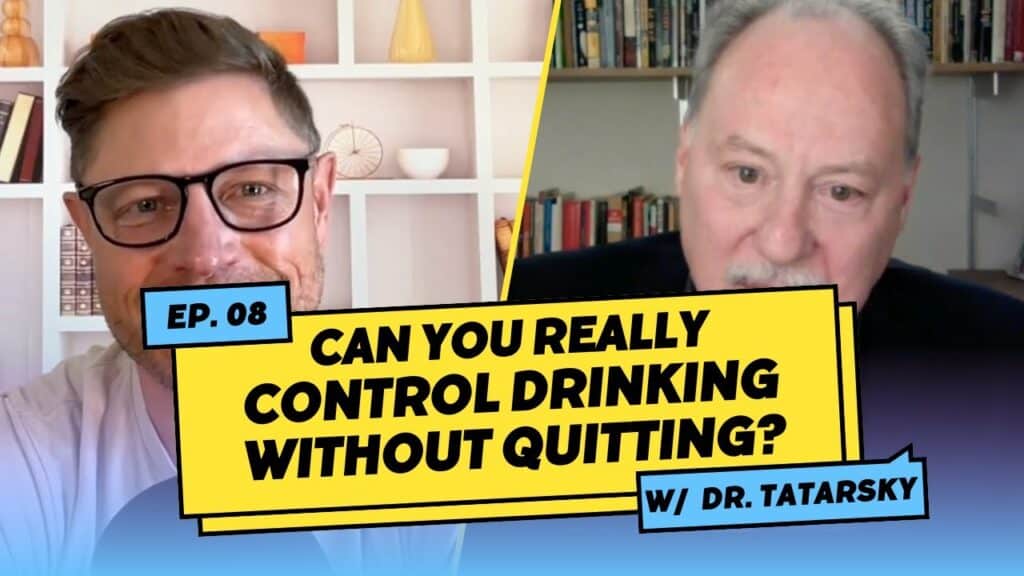
Harm Reduction in Alcohol Health with Expert Dr. Andrew Tatarsky
In this episode, we explore harm reduction with Dr. Andrew Tatarsky, a visionary in addiction treatment with over 40 years of experience. As the architect of Integrative Harm Reduction Psychotherapy (IHRP), Dr. Tatarsky combines relational psychoanalysis, CBT, and mindfulness within a harm reduction framework.
Harm Reduction Psychotherapy For Addiction: Andrew Tatarsky, PhD
This video is designed for psychotherapists and mental health professionals working in addiction treatment who want practical clinical tools for addressing substance use without requiring abstinence.
Stop Saying “I Don’t Work With Addiction”
This discussion explores a compassionate, harm reduction approach to working with addiction, trauma, and ambivalence around change. Andrew Tatarsky shares how therapists can support clients without shame or pressure, while helping them move toward safer, more meaningful change. It offers practical, trauma-informed insights for clinicians working with substance use and compulsive behaviors.
The Harm Reduction Revolution - Dr Andrew Tatarsky
The essence of harm reduction is meeting people where they’re at.
Central to this approach is the idea that—at all costs—the therapist should do their best not to impose their values or preconceived ideals onto the client.
Harm Reduction vs. Abstinence-Only Approaches with Dr. Andrew Tatarsky
In this discussion, Dr. King plays the role of “skeptic” to really push Dr. Tatarsky on why Harm Reduction is the way to go over abstinence-only approaches, Dr. Tatarsky also provides some tips and skills on how you can try harm reduction now.
Harm Reduction Psychotherapy
Interview with Dan Ronken
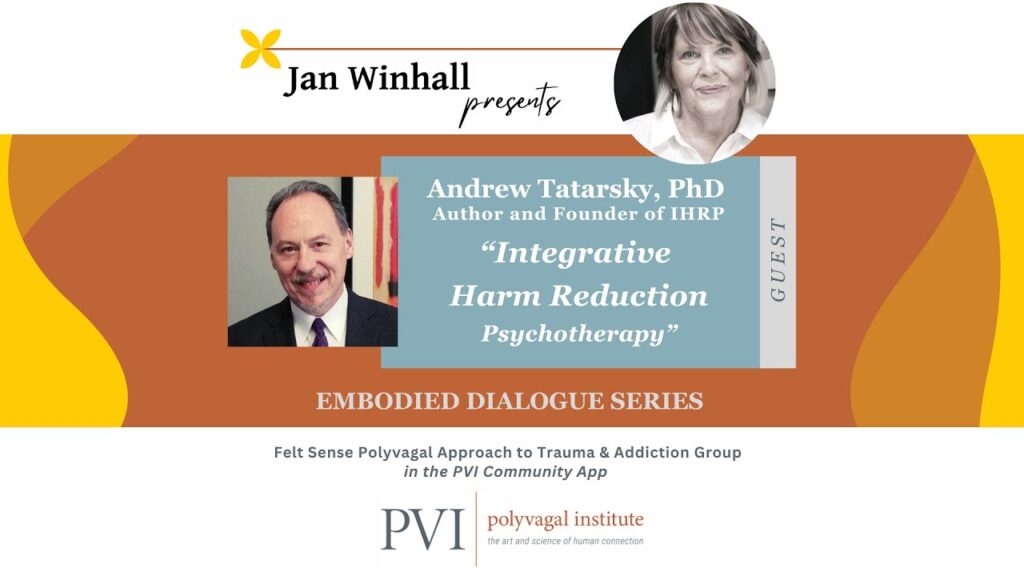
‘Integrative Harm Reduction Psychotherapy’ with Andrew Tatarsky
In this video, Andrew introduces the Integrated Harm Reduction Program (IHRP) and engages in a discussion with Jan about the connections between IHRP and Jan’s Felt Sense Polyvagal Approach to treating addiction. Together, they explore how these methods can complement each other in promoting recovery.
Clinical Practice and Professional Education
Psychotherapy Networker Symposium
Facilitator: Andrew
Virtual Grand Round: Integrative Harm Reduction Psychotherapy: A New Paradigm for Treating Addiction
Demystifying Medical Marijuana in New York: Implications for Mental Health and Drug Treatment Providers
Facilitator: Andrew
What's wrong with our system?
Andrew speaks on models and the paradigm shift in the addiction treatment community
Compassionate Pragmatism
A taste of Integrative Harm Reduction Psychotherapy (IHRP) in “consultation” from our last IHRP Level 1 Training
Conversations About Change, Dignity, and Human Experience
What's wrong with our system?
Andrew speaks on models and the paradigm shift in the addiction treatment community
Compassionate Pragmatism
A taste of Integrative Harm Reduction Psychotherapy (IHRP) in “consultation” from our last IHRP Level 1 Training
Parts Work, Neuroplasticity, and Compassion in Recovery — Marc Lewis & Andrew Tatarsky
Dr Andrew Tatarsky and Professor Marc Lewis — two individuals who have been reshaping the global conversation around addiction towards a more compassionate and scientific view.
Articles and Reflections
Explore ideas about addictive and compulsive behaviors, the meanings of urges, ambivalence, emotional regulation, and possibilities for positive change.
Articles, Essays, and Clinical Publications
Explore professional writing on the theory, development, and application of IHRP, integrating relational psychotherapy, psychodynamic understanding, cognitive-behavioral strategies, mindfulness, and harm reduction principles.
Books and Recommended Resources
Harm Reduction Psychotherapy: A New Treatment for Drug and Alcohol Problems
By Andrew Tatarsky, PhD
This foundational book presents an integrative approach to psychotherapy for people struggling with alcohol and other substances. Drawing on relational psychoanalysis, cognitive-behavioral approaches, mindfulness, and harm reduction principles, it offers a framework for understanding the emotional meanings and functions of substance use and supporting personalized change. Through theory, clinical discussion, and case examples, the book demonstrates how therapists can work collaboratively with people across a wide range of goals and experiences.
Spanish and Russian versions of the book are available at no cost.
Free book in Russian
Free book in Spanish
Gabor Maté + Andrew in Conversation
TRANSFORMING SUFFERING, HATE, AND ADDICTION TO HEALING AND HOPE
Join author, thinker, and scholar Gabor Maté, and author and creator of Integrative Harm Reduction Psychotherapy, Andrew, as they explore vital lessons learned from the challenges of the last year that can inform a positive vision for the future. They also discussed how harm reduction principles of radical acceptance and compassion help us lean into suffering, hate, and addiction as a basis for individual and collective healing.
Gabor Maté & Andrew
Harm Reduction Psychotherapy
The approach described and illustrated here is an example of harm reduction psychotherapy for active substance users that is based on an integration of psychodynamic and social learning theories in its understanding of substance use problems and in the combining of cognitive and behavioral self-management strategies with psychodynamic interventions in the treatment process
Integrative Harm Reduction Psychotherapy: A Case Of Substance Use, Multiple Trauma and Suicidality
Integrative harm reduction psychotherapy (IHRP) is Tatarsky’s application of harm reduction principles to therapy. The abandonment of the abstinence requirement enables the therapy to begin with whatever brings the patient for help. The form, focus, and timing of interventions emerges out of the therapeutic dialogue and negotiation between therapist and client.
Frequently Asked Questions
Understanding Harm Reduction and IHRP
What is harm reduction?
A compassionate, practical approach to reducing harms associated with substance use and other potentially harmful behaviors. It emphasizes dignity, autonomy, safety, and support for any positive change.
What is IHRP?
A comprehensive psychotherapy approach integrating harm reduction with relational psychoanalysis, cognitive-behavioral strategies, mindfulness, and other methods. It explores the meanings and functions of behaviors that both help and hurt.
Is IHRP only for people struggling with substances?
No. Although developed through substance use work, its principles have broader applications to addictive and compulsive behaviors, emotional difficulties, and recurring patterns.
Does harm reduction mean people don’t have to change?
No. It actively supports positive change while recognizing that goals and pathways differ.
About Therapy
Why do I keep doing something even when I know it hurts me?
Often a behavior also serves an important emotional purpose. Understanding that purpose can reveal alternatives.
What if I’m not sure I want to change?
Ambivalence is common. Therapy can explore both the reasons to change and the reasons to continue.
Will I be required to stop using substances?
No predetermined abstinence requirement. Goals are explored collaboratively, with attention to risks and safety.
Do I have to identify as having an addiction?
No. A particular label is not a prerequisite for discussing your concerns.
Practical Questions
Do you take insurance?
No, Andrew is a private pay provider and does not accept insurance directly. However, detailed superbills are provided, which many clients successfully submit for out-of-network reimbursement from their insurance company.
Where are you located?
- Comprehensive Evaluation: $600 per 45–60-minutes session, respectively.
- Couples/Family Sessions: $600 per 60 minutes session.
- A limited sliding scale is available upon inquiry if cost is a barrier.
Do you offer telehealth?
In-person sessions are offered at office locations in New York City (East Village and Midtown areas).
What's your cancellation policy?
Yes. Secure, HIPAA-compliant video sessions are available for clients located anywhere in New York State.
For Families and Loved Ones
How can I help someone whose behavior concerns me?
Begin with curiosity, compassion, and a willingness to understand their experience. Maintain connection and communicate concern without judgment.
Should I insist that someone stop using substances?
You can express concerns, needs, and boundaries without trying to control another person. Immediate safety risks require appropriate action.
For Clinicians
How is IHRP different from other psychotherapy approaches?
It integrates relational and psychodynamic exploration with mindfulness, CBT strategies, and harm reduction, emphasizing urges, ambivalence, therapeutic relationship, and collaborative goals.
What are the Nine Therapeutic Tasks?
They address alliance and safety, the therapeutic relationship, self-regulation, urges, assessment as treatment, ambivalence, goals, personalized planning, and countertransference.
Can I integrate IHRP into my existing practice?
Yes. The model is integrative and can complement other therapeutic approaches.
How can I learn more?
Through professional training, workshops, consultation groups, publications, and recorded presentations.
Continue Exploring or Take the Next Step
Interested in Therapy?
If you’re struggling with behaviors or emotional patterns that both help and hurt you, or want to understand yourself more deeply and create meaningful change, explore a compassionate, collaborative approach to psychotherapy.
Interested in Professional Training?
Explore training, consultation, and educational opportunities in IHRP. Deepen your understanding of human behavior and expand your clinical skills.
Interested in Learning More?
Browse articles, interviews, presentations, and recommended resources about the philosophy, science, and clinical practice of harm reduction psychotherapy.