
Integrative Harm Reduction Psychotherapy (IHRP)
A Different Way of Working with Substance Use
For many clinicians, working with substance use can feel constrained by inherited models — especially abstinence-only frameworks that don’t fully account for complexity, ambivalence, trauma, or the realities of human change.
Integrative Harm Reduction Psychotherapy (IHRP) was developed as a response to that gap.
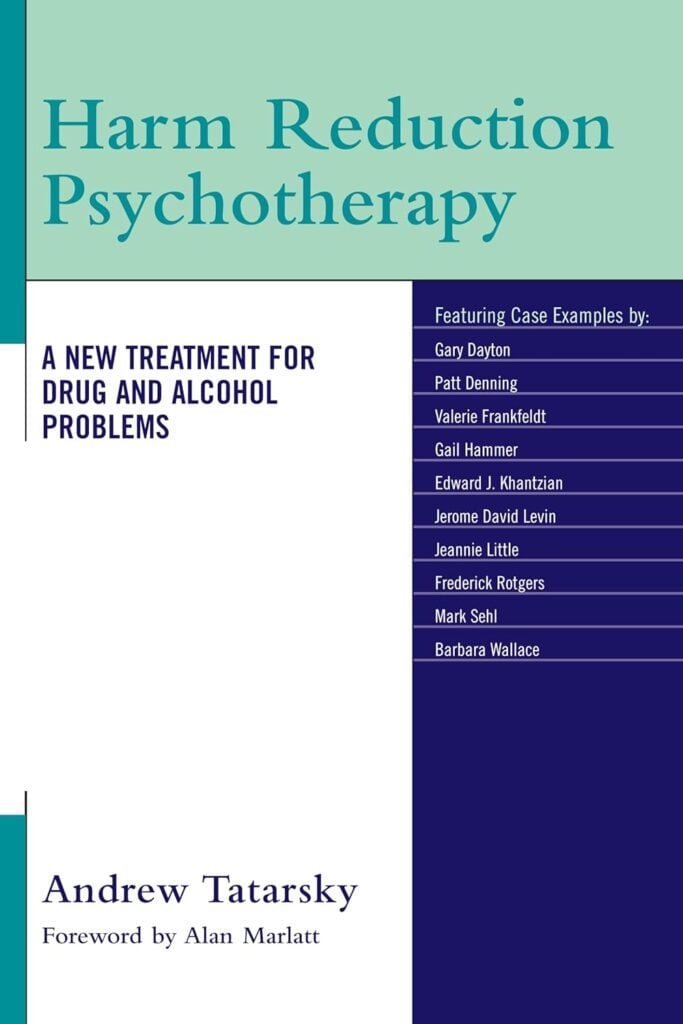
This book introduces a compassionate, psychologically grounded approach to substance use treatment — one that honors autonomy, deepens alliance, and recognizes that meaningful change can take many forms.
What Is IHRP?
IHRP is a collaborative, client-centered framework for working with substance use and co-occurring challenges.
It does not assume a single acceptable goal.
It does not reduce clients to compliance or resistance.
It does not treat relapse as failure.
Instead, it asks:
What is the function of this behavior?
What pain or unmet need might be underneath?
What would safer, healthier change look like for this person — right now?
Rooted in psychodynamic thinking and integrating cognitive-behavioral, mindfulness, and relational approaches, IHRP brings substance use work back into the heart of psychotherapy.
What This Book Offers
This is not a manual of rigid techniques.
It is a clinical framework you can think with.
The book presents harm reduction as a psychotherapeutic model — integrating depth psychology with practical tools for working with ambivalence, collaborative goal-setting, and the full spectrum of change, from safer use to abstinence.
You’ll learn how to respond to relapse without rupturing alliance, integrate trauma-informed and attachment-based perspectives, and navigate complex moments with steadiness and curiosity.
Through rich case examples, the work invites you to approach substance use with curiosity rather than control — and to trust the therapeutic relationship as the foundation for change.
Who This Book Is For
This book is for those who want an alternative to abstinence-only models.
For those who feel constrained by traditional addiction treatment paradigms.
For those who sit with clients who are ambivalent, conflicted, or unsure about change.
It is especially relevant if you recognize how trauma, anxiety, depression, and substance use are often intertwined — and if you care deeply about dignity, autonomy, and ethical collaboration in your work.
Whether you are early in your professional journey or decades into practice, this book offers a way to expand how you understand — and sit with — substance use.
Why This Work Matters
Over the years, many people have been turned away from treatment for not being “ready.”
Integrative Harm Reduction Psychotherapy emerged from a different conviction: that readiness often develops within relationship — not before it.
When someone feels safe enough to speak honestly about their use, their fears, and their hopes, something shifts.
Shame softens.
Honesty deepens.
Possibility opens.
This book is an invitation to practice in a way that allows that shift to happen.
If You’re Ready to Work Differently
If you want to feel more grounded when working with substance use…
If you want a model that integrates psychological depth with harm reduction principles…
If you want to strengthen alliance rather than enforce compliance…
Integrative Harm Reduction Psychotherapy offers a clear and compassionate path forward.