Integrative Harm Reduction Psychotherapy Training
A More Compassionate, Effective Approach to Understanding and Changing Behaviors That Both Help and Hurt
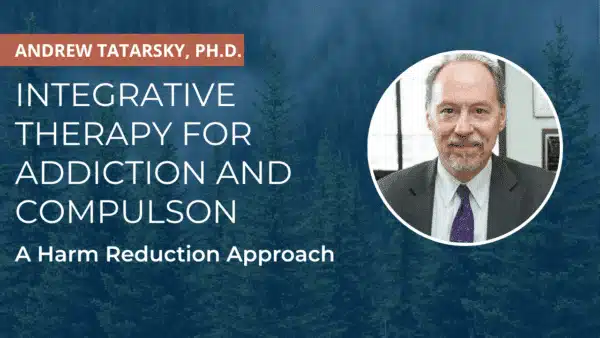
Learn Integrative Harm Reduction Psychotherapy (IHRP) from its developer, Dr. Andrew Tatarsky.
IHRP offers clinicians a comprehensive framework for understanding addictive and compulsive behaviors, exploring their emotional and relational meanings, and helping people make positive changes that are meaningful to them.
Integrating relational psychotherapy, cognitive-behavioral strategies, mindfulness, and harm reduction principles, IHRP helps clinicians work more effectively with ambivalence, strengthen the therapeutic relationship, and support meaningful, lasting change.
Deepen your understanding. Expand your clinical skills. Transform your practice.
2026 Training Schedule
Why Can Meaningful Change Be So Difficult?
Whether the struggle involves alcohol, other substances, compulsive behaviors, or recurring emotional and relational patterns, people often find themselves torn between wanting to change and wanting to continue doing what feels familiar, comforting, or necessary.
Traditional approaches sometimes focus primarily on eliminating unwanted behaviors, strengthening motivation, or teaching coping skills. While these interventions can be helpful, they may overlook the emotional meanings and functions that make these behaviors so compelling.
When clinicians focus too quickly on change, they may unintentionally overlook the very reasons people remain attached to behaviors that hurt them.
IHRP begins with a different question: Rather than simply asking how we can help people stop a behavior, we ask why the behavior makes sense and what it is doing for them.
This shift opens new possibilities for therapeutic engagement, self-understanding, and positive change.
Common Clinical Challenges and New Possibilities
When Clients Feel Ambivalent About Change
Clients may simultaneously want to stop a behavior and feel deeply attached to it. When we view ambivalence as resistance, we risk creating conflict. IHRP teaches clinicians to welcome and explore both sides, helping clients discover the meanings of their conflicting wishes and develop their own motivation for change.
When Insight Alone Doesn’t Lead to Change
Clients may understand that a behavior is harmful yet continue repeating it. IHRP helps clinicians explore the emotional, relational, and self-regulatory functions of behavior while integrating practical skills and strategies that support new choices.
When the Therapeutic Relationship Becomes Strained
Therapists may feel frustrated, helpless, anxious, or pressured to make clients change. IHRP emphasizes the therapeutic relationship as a central vehicle for healing, including the importance of recognizing and working constructively with countertransference.
When Clients Struggle to Regulate Difficult Emotional States
Substances and other compulsive behaviors may serve as powerful ways of managing anxiety, shame, loneliness, trauma-related distress, or other overwhelming experiences. IHRP teaches clinicians to help clients understand these functions and develop more flexible, satisfying ways of caring for themselves.
When Clients Have Felt Judged or Excluded from Treatment
Some clients have experienced treatment as coercive, shaming, or disconnected from their goals. IHRP offers a collaborative, dignity-centered approach that supports engagement without requiring clients to accept a diagnosis, predetermined goal, or particular definition of recovery.
Integrative Harm Reduction Psychotherapy: A Comprehensive Clinical Approach
Learn from the clinician who developed the model.
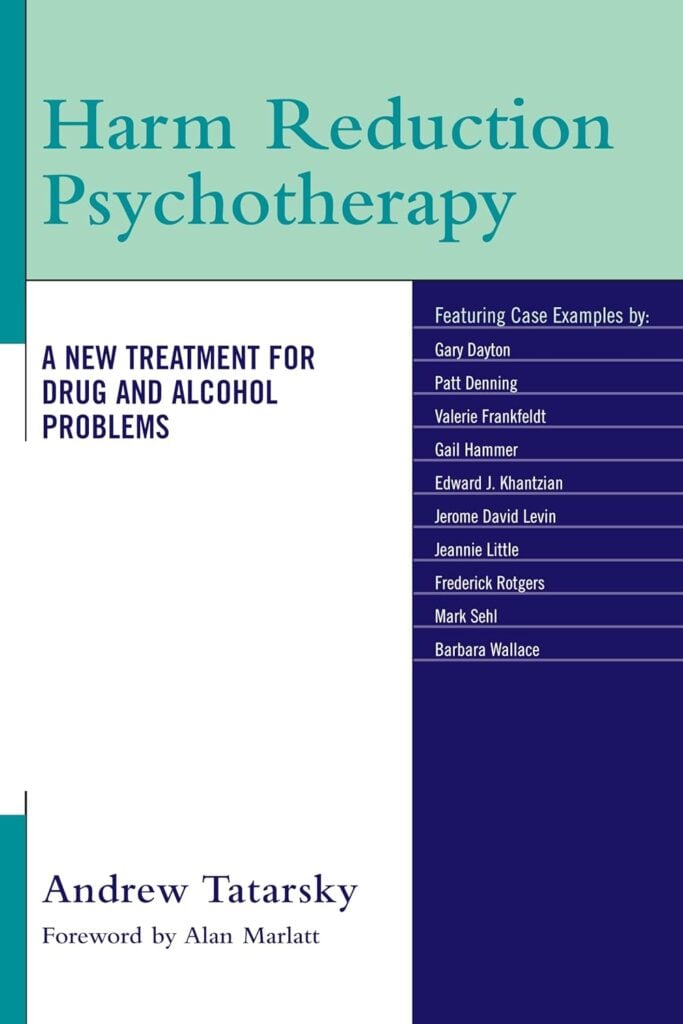
Integrative Harm Reduction Psychotherapy (IHRP) is a comprehensive, evidence-informed approach to understanding and treating addictive and compulsive behaviors and the emotional struggles that accompany them.
Grounded in a psychobiosocial understanding of human behavior, IHRP integrates relational psychoanalysis, cognitive-behavioral therapy, mindfulness, and harm reduction principles into a flexible, collaborative approach to psychotherapy.
At its heart is the recognition that behaviors that become harmful often serve important emotional and psychological functions.
Rather than treating these behaviors simply as symptoms to eliminate, IHRP helps clinicians explore their meanings, understand the needs they serve, and support clients in developing healthier and more satisfying alternatives.
The Nine Therapeutic Tasks of IHRP provide a practical framework for this work. They guide clinicians in building therapeutic safety and alliance, using the relationship as a vehicle for healing, strengthening emotional regulation, exploring urges, understanding ambivalence, developing personally meaningful goals and change plans, and managing countertransference.
IHRP training combines theoretical understanding, clinical demonstrations, experiential learning, and practical strategies that clinicians can integrate into their existing approaches.
The result is an expanded capacity to engage clients, deepen therapeutic exploration, and support meaningful positive change.
What Makes IHRP Different?
- Understanding Before Changing
We explore the meanings and functions of behaviors before assuming what needs to change.
- Urges as Opportunities
Rather than treating urges simply as symptoms to control, we use them as pathways to understanding emotional experience, unmet needs, and possibilities for change.
- Welcoming Ambivalence
We make room for both the desire to change and the reasons to continue, recognizing that understanding both sides can deepen self-awareness and support meaningful choice.
- The Therapeutic Relationship as a Vehicle for Healing
Safety, acceptance, collaboration, and attention to the therapeutic relationship create conditions for deeper exploration and change.
- Integrating Insight with Practical Skills
Relational exploration, mindfulness, emotional regulation, and cognitive-behavioral strategies work together to support positive change.
- Dignity and Self-Determination Throughout
Clients are active collaborators in defining their goals, exploring possibilities, and developing personally meaningful paths toward change.
Training and Professional Development Opportunities
IHRP Essentials Training
Format: Three-day intensive certificate training
What You’ll Learn: A comprehensive introduction to the theory and practice of IHRP, including:
- Understanding the meanings and functions of addictive and compulsive behaviors
- The Nine Therapeutic Tasks of IHRP
- Creating safety and a strong therapeutic alliance
- Exploring urges as pathways to self-understanding and change
- Working with ambivalence and conflicting motivations
- Integrating relational, mindfulness-based, and cognitive-behavioral interventions
- Developing collaborative goals and personalized change plans
- Recognizing and managing countertransference
- Applying IHRP to clinical cases and everyday practice
Who It’s For: Psychologists, psychotherapists, counselors, social workers, addiction professionals, psychiatric clinicians, and peer specialists seeking to expand their understanding and treatment of addictive and compulsive behaviors.
Continuing Education Credits: Available for eligible participants.
Next Training: See upcoming events or join the waitlist.
Professional Consultation Groups
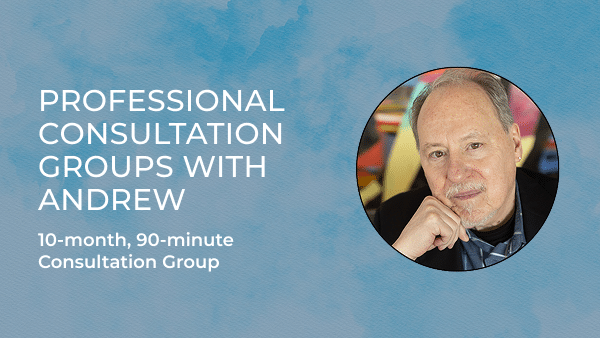
Format: Monthly online group meetings for clinical consultation and continuing professional development.
What You’ll Gain: Ongoing opportunities to deepen your understanding and application of IHRP through case discussion, clinical reflection, and collaborative learning. Explore challenging therapeutic situations, work with ambivalence and countertransference, and integrate IHRP principles and techniques into your existing practice.
Who It’s For: Clinicians at different levels of experience who want to strengthen their skills in harm reduction psychotherapy and deepen their understanding of the emotional and relational dimensions of addictive and compulsive behaviors.
Workshops and Keynote Presentations
Format: Customized presentations, workshops, and trainings for professional organizations, conferences, treatment programs, and clinical teams.
Topics Include:
- Integrative Harm Reduction Psychotherapy: Theory and Practice
- Understanding Behaviors That Both Help and Hurt
- The Nine Therapeutic Tasks of IHRP
- Urges as Pathways to Self-Discovery and Change
- Embracing Ambivalence in Psychotherapy
- Centering Dignity in Addiction Treatment
- Building Therapeutic Safety and Alliance
- Trauma, Emotional Regulation, and Compulsive Behaviors
- Integrating Harm Reduction into Existing Psychotherapy Approaches
- Working with Countertransference and Therapeutic Impasses
- Collaborative Goal Setting and Personalized Change Planning
Who It’s For: Mental health organizations, treatment centers, healthcare systems, professional associations, training institutes, and multidisciplinary clinical teams.
Individual Clinical Consultation and Supervision
Format: Individual online or in-person consultation, depending on availability.
What You’ll Gain: Personalized support for integrating IHRP into your clinical practice, including discussion of complex cases, therapeutic impasses, countertransference, treatment planning, and the application of specific IHRP interventions.
Who It’s For: Psychotherapists, psychologists, social workers, addiction counselors, clinical supervisors, and professionals seeking individualized mentorship in harm reduction psychotherapy.
What Trainees Say?
Thank you for this workshop. I continue to feel frustration with the irony of so many practitioners insisting that SA be
addressed separately and prior to addressing MH needs, thereby ignoring the needs of patients with co-occurring
disorders.
Symposium Attendee
Psychotherapy Networker Symposium 2026
Really loved this training and would like more trainings that take a nuanced, harm reduction approach and encourage
therapists to stay with clients and not always refer out or to higher levels of care
Symposium Attendee
Psychotherapy Networker Symposium 2026
Great presentation that validated my approach to substance use with client’s that use it as a coping skill rathan than
an addiciton. I appreciate the knowledge and learning experience.
Symposium Attendee
Psychotherapy Networker Symposium 2026
Thank you for an excellent presentation and for your approachability. You have changed the way I view addictions
and treatment.
Symposium Attendee
Psychotherapy Networker Symposium 2026
Andrew has a rare ability to bring rigor and deep compassion into the same room. His approach to harm reduction helped me fundamentally shift how I work with clients who use substances. I now feel more effective, more grounded, and more human in my clinical work.
Maria
This was one of the most clinically useful trainings I’ve attended in years. Andrew doesn’t just talk about harm reduction as a philosophy, he shows you how to practice it moment by moment, especially when clients are ambivalent, struggling, or not ready for abstinence.
James
Andrew’s teaching affirmed so much of what I intuitively felt was missing in traditional addiction models. His work helped me slow down, listen differently, and build stronger therapeutic alliances with clients who had previously disengaged from care.
Lina
Andrew brings extraordinary clarity to complex clinical situations. His integration of trauma, self regulation, and harm reduction gave me practical tools I could use immediately. This training changed how I understand both addiction and healing.
Robert
What stood out most was Andrew’s respect for clients’ dignity and autonomy. He models a way of working that is ethical, compassionate, and deeply effective. I left with renewed confidence and a stronger sense of purpose in my work.
Grace
Is IHRP Training Right for You?
IHRP training is for clinicians who want to deepen their understanding of why people struggle with behaviors that both help and hurt them—and expand their capacity to support meaningful change.
You may find this training especially valuable if you:
- Work with substance use, addictive or compulsive behaviors, trauma, or emotional and relational difficulties
- Want to understand the deeper meanings and functions of behaviors that are difficult to change
- Encounter clients who feel ambivalent, stuck, or disconnected from treatment
- Want to integrate relational depth with practical behavioral change strategies
- Are interested in exploring urges as opportunities for self-discovery
- Want to strengthen your capacity to work with complex emotional states and countertransference
- Seek a compassionate, collaborative approach grounded in dignity, curiosity, and respect for clients’ autonomy
- Want to bring harm reduction principles into individual psychotherapy, clinical supervision, or organizational practice
IHRP training welcomes professionals from a range of clinical backgrounds and practice settings, including private practice, community mental health, addiction treatment, hospitals, integrated healthcare, and professional training programs.
You don’t need to abandon your existing therapeutic approach to learn IHRP. The model offers a framework and clinical tools that can deepen and enrich the work you’re already doing.
Deepen Your Understanding. Expand Your Clinical Possibilities.
What becomes possible when we stop viewing difficult behaviors simply as problems to eliminate and begin exploring what they mean?
IHRP training offers a new way to understand the people we work with, strengthen therapeutic relationships, and support meaningful, lasting change.
Discover how curiosity, compassion, and clinical skill can transform the therapeutic process.
Explore IHRP training, consultation, and professional development opportunities.