Understanding Harm Reduction: Education and Resources

Whether you are a clinician exploring alternatives to traditional substance use treatment, a supervisor developing harm reduction programming, a professional seeking a more integrative framework, or a person curious about harm reduction therapy for yourself or someone you care about

Why This Work Matters to Me

I became interested in psychology early on because I wanted to understand human suffering, and how people find their way through it.

When I began working with people struggling with substance use, I noticed something troubling. Many were not being helped by the systems meant to support them.

People were often judged, labeled, or turned away when they couldn’t immediately stop using. Their pain was reduced to rules rather than understood as experience.

I kept asking myself: What if treatment began with curiosity, empathy and understanding instead of judgment?

Abstinence

Any Positive Change

Common Misconceptions About Harm Reduction

What if there was a way to get professional help that doesn’t label you or force you into a box?
 An approach that understands substance use as meaningful, something that can be about coping, surviving, or solving problems, rather than a disease.

Harm reduction enables continued drug use and prevents people from getting clean.

Harm reduction meets people where they are and supports any positive change, including abstinence. Research shows harm reduction approaches often lead to reduced use and, for many, eventual abstinence. The difference is that abstinence is chosen by the individual, not imposed as a prerequisite for help.

Harm reduction is anti-abstinence.

Harm reduction is not anti-abstinence at all. In fact, abstinence is considered the most effective harm reduction strategy for many people. The key difference is that harm reduction includes abstinence as one valid option among many, rather than the only acceptable goal.

Harm reduction only works for certain types of drug users, not ‘real addicts.

Harm reduction approaches have been shown effective across all populations and all levels of use, from experimental users to people with severe substance use disorders. The flexibility of the approach is precisely what makes it effective for diverse individuals.

You need to hit rock bottom before you can change.

This is a dangerous myth that delays help and causes unnecessary harm. People can and do make positive changes at any point—and for many, waiting for “rock bottom” is life-threatening. Harm reduction focuses on interrupting the downward spiral and helping people build momentum toward healthier, safer choices.

Harm reduction is just an excuse to keep using.

Harm reduction is a therapeutic approach backed by research and clinical evidence. It’s not permission or excuse-making. It’s meeting people where they are and supporting movement toward less harmful behavior and improved quality of life, which may include moderation, safer use practices, or abstinence while also addressing related issues that are intertwined with drug use..

Is Harm Reduction Therapy Right for You?

Consider these questions:

If you answered yes to several of these questions, harm reduction therapy may be a good fit for you. The best way to know for sure is to schedule a 15-minute consultation.

Watch and Learn: Videos, Interviews, and Presentations

Explore Andrew’s conversations with experts, educational webinars, and conference presentations

Conversations

Conference Presentations

Blog Posts

The Positive Change Pathway

Step One: Setting the stage for change.

They Didn’t Have to Die

Harm reduction saves lives: Our loved ones would still be with us

We Need to Change Our Thinking About Addiction

We have been doing a terrible job helping people who struggle with addiction.

Articles, and Essays

An Integrative Approach to Harm Reduction Psychotherapy: A Case of Problem Drinking Secondary to Depression
Bridging the Worlds of Harm Reduction and Addiction Treatment An Interview with Dr. Andrew Tatarsky
Harm reduction psychotherapy: Extending the reach of traditional substance use treatment
Integrative Harm Reduction Psychotherapy: A Case of Substance Use, Multiple Trauma, and Suicidality
The Challenge of Harm Reduction Changing Attitudes Toward Addiction Treatment By Andrew Tatarsky

Books and Resources We Recommend

Harm Reduction Psychotherapy: A New Treatment for Drug and Alcohol Problems

Spanish and Russian versions of the book are available at no cost.

A foundational work in harm reduction psychotherapy, offering a clear and comprehensive integration of theory, clinical application, and real-world case examples. Widely used in training programs and clinical education around the world.

Free book in Russian

Free book in Spanish

Gabor Maté + Andrew in Conversation

TRANSFORMING SUFFERING, HATE, AND ADDICTION TO HEALING AND HOPE

Join author, thinker, and scholar Gabor Maté, and author and creator of Integrative Harm Reduction Psychotherapy, Andrew, as they explore vital lessons learned from the challenges of the last year that can inform a positive vision for the future. They also discussed how harm reduction principles of radical acceptance and compassion help us lean into suffering, hate, and addiction as a basis for individual and collective healing.

Gabor Maté & Andrew

Harm Reduction Psychotherapy

The approach described and illustrated here is an example of harm reduction psychotherapy for active substance users that is based on an integration of psychodynamic and social learning theories in its understanding of substance use problems and in the combining of cognitive and behavioral self-management strategies with psychodynamic interventions in the treatment process

Integrative Harm Reduction Psychotherapy: A Case Of Substance Use, Multiple Trauma and Suicidality

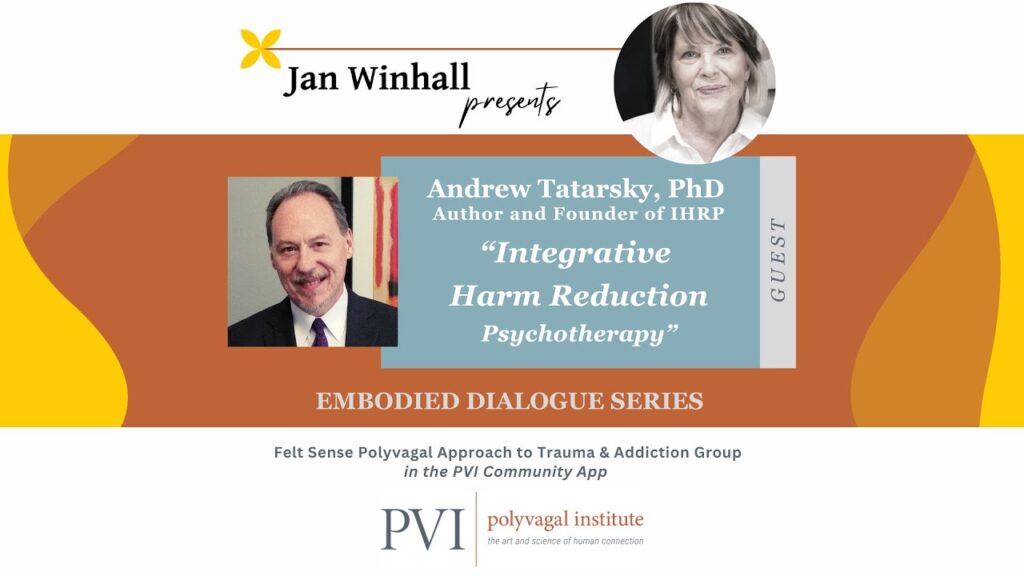
Integrative harm reduction psychotherapy (IHRP) is Tatarsky’s application of harm reduction principles to therapy. The abandonment of the abstinence requirement enables the therapy to begin with whatever brings the patient for help. The form, focus, and timing of interventions emerges out of the therapeutic dialogue and negotiation between therapist and client.

The Challenge of Harm Reduction

Changing Attitudes Toward Addiction Treatment

Frequently Asked Questions

About Harm Reduction (General)

What exactly is harm reduction?

Harm reduction is a pragmatic, compassionate set of strategies aimed at reducing the negative consequences (harms) associated with drug and alcohol use. It accepts that substance use exists in society and prioritizes autonomy, dignity, and safety over demanding immediate abstinence. It meets people where they are.

Yes, absolutely. Harm reduction is strongly supported by decades of public health and clinical research. Studies confirm its effectiveness in reducing overdose deaths, preventing the spread of infectious diseases (like HIV and HCV), increasing engagement in treatment, and supporting positive life changes.

Yes. Harm reduction is effective across the entire spectrum of substance use, including severe substance use disorders. By supporting any positive change, it creates an accessible pathway to help that abstinence-only models often fail to provide, ultimately reducing risks and improving quality of life.

For many individuals, yes, moderation is a realistic and appropriate goal. The goal is always defined by the client. For others, abstinence remains the safest and most effective goal. Harm reduction therapy supports the client in exploring and pursuing whichever path—moderation, safer use, or abstinence—best aligns with their values and improves their well-being.

About Therapy with Andrew

Will you make me quit using?

No. Andrew’s approach (Integrative Harm Reduction Psychotherapy, IHRP) is fundamentally autonomy-respecting. The decision to change your substance use, and the pace and nature of that change, is entirely yours. The therapy supports your goals, whether that is moderation, safer use, or abstinence.

No. IHRP rejects forced labeling. Therapy focuses on your behavior and experience, not on imposing stigmatizing identities like “addict” or “alcoholic.” Andrew uses person-first language and prioritize reducing shame.

Helping you to feel safe, understood and in a good working alliance with me is the stage for all else we will do together. This also can begin to clear away the shame and guilt that many who struggle with drugs feel. Understanding the positive function that drugs have played for you can also help ease these painful feelings. Sessions involve exploring your relationship with substances, understanding the underlying emotional and relational issues driving your use, and developing practical coping skills. It integrates elements of Relational Psychoanalysis, CBT, and Mindfulness-based strategies to help you identify triggers, manage difficult emotions, and make positive, self-directed changes.

Therapy is highly individualized. IHRP is designed to be a flexible process that respects the time it takes to heal complex issues like addiction and trauma. The length of time depends on your goals and needs.

That is expected and welcomed. Ambivalence is a core part of the process. IHRP is designed to be flexible and non-judgmental; your goals can evolve from safer use to moderation, or from moderation to abstinence (or vice versa) as your needs change.

Practical Questions

Do you take insurance?

No, Andrew is a private pay provider and does not accept insurance directly. However, detailed superbills are provided, which many clients successfully submit for out-of-network reimbursement from their insurance company.

  • Comprehensive Evaluation: $600 per 45–60-minutes session, respectively.
  • Couples/Family Sessions: $600 per 60 minutes session.
  • A limited sliding scale is available upon inquiry if cost is a barrier.

In-person sessions are offered at office locations in New York City (East Village and Midtown areas).

Yes. Secure, HIPAA-compliant video sessions are available for clients located anywhere in New York State.

For Families

How can I support my loved one?

The most important steps are to practice compassionate communication, prioritize your loved one’s dignity and autonomy, and seek to understand their perspective. Focus on connecting rather than controlling. Resources in the “For Families” category of the Articles section can provide specific guidance.

No. Research shows that pressure, shaming, and ultimatums are often counterproductive, increasing resistance and isolating the individual. The most effective support focuses on open positive communication, reducing immediate harms, and respecting the individual’s pace toward change.

That is perfectly fine. The goal of harm reduction is to support any positive change. You can still support them in implementing safer use practices, reducing frequency, or addressing underlying emotional issues, which are all valuable steps toward improving their overall health.

For Clinicians

How is IHRP different from traditional therapy?

IHRP is non-pathologizing, non-coercive, and non-shaming. Unlike traditional models that may require immediate abstinence, IHRP integrates elements from Relational Psychoanalysis, CBT, Mindfulness Strategies, and Trauma-Informed Care within a harm reduction framework. It views substance use not as a moral failure, but as a complex coping strategy or response to underlying issues.

Yes. IHRP is an integrative model designed to work flexibly. Its core principles of client autonomy and meeting people where they are can inform and enhance work done in other settings, including standard mental health treatment.

Andrew offers several levels of training, from IHRP Essentials Training for foundational concepts to Professional Consultation Groups and Individual Clinical Supervision for advanced integration. Check the “Training Schedule and Events” section for upcoming opportunities.

Ready to Learn More or Get Started?

If you’re considering therapy that respects your personal autonomy, meets you without judgment, and supports you in defining your own goals for change—whether that means moderation, safer use, or abstinence.

If you’re interested in training to integrate the comprehensive, evidence-based principles of Integrative Harm Reduction Psychotherapy (IHRP) into your clinical practice, moving beyond traditional, abstinence-only models.