
Dr. Andrew Tatarsky, PhD
Pioneering a More Compassionate, Integrative Approach to Psychotherapy and Positive Change
Psychologist, psychoanalyst, developer of Integrative Harm Reduction Psychotherapy (IHRP), and internationally recognized leader in harm reduction and substance use treatment.
For more than four decades, I’ve been helping people understand and change behaviors that both help and hurt them.
My work is grounded in a simple but powerful belief: even our most troubling behaviors make sense in the context of our lives. Understanding why we do what we do can open new possibilities for healing, self-discovery, and meaningful change.
Why This Work Matters to Me
Throughout my life, I’ve been fascinated by the question of why people do things that cause them suffering—and how understanding those behaviors can help them change.
Early in my career as a psychologist and psychoanalyst, I became particularly interested in people struggling with alcohol and other substances. I was struck by how often they were misunderstood, judged, or excluded from treatment when they weren’t ready to commit to abstinence.
But I was also struck by something else.
When people felt safe enough to speak honestly about their experiences—including the things they valued about their substance use, the suffering it caused, and their conflicting feelings about changing—something important happened.
They became more open, more curious about themselves, and more able to discover new possibilities.
I came to understand that even behaviors that become harmful often serve important purposes. They may help us manage painful emotions, find comfort or connection, protect ourselves, or meet needs that have not been adequately recognized.
This understanding transformed my approach to psychotherapy.
Rather than beginning with the assumption that a behavior must be stopped, I became increasingly interested in helping people understand why it made sense, what it was doing for them, and how they might find more satisfying ways of meeting those needs.
That remains at the heart of my work today.
Developing Integrative Harm Reduction Psychotherapy
Integrative Harm Reduction Psychotherapy grew out of my effort to bring together two important traditions: the values of harm reduction and the depth and clinical sophistication of psychotherapy.
Harm reduction challenged the idea that people must stop using substances before they deserve help. It emphasized dignity, respect for autonomy, meeting people where they are, and supporting any positive change.
My training in psychoanalysis and psychotherapy had taught me to appreciate the complexity of human behavior—how our actions are shaped by emotional experience, personal history, relationships, unconscious processes, and efforts to manage difficult psychological states.
I began bringing these perspectives together, integrating relational psychoanalysis with cognitive-behavioral strategies, mindfulness, and practical approaches to emotional regulation and behavior change.
The result was Integrative Harm Reduction Psychotherapy (IHRP).
IHRP is based on the understanding that addictive and compulsive behaviors are not simply problems to eliminate. They often represent meaningful attempts to cope, survive, regulate emotions, and meet important needs.
This perspective changes the therapeutic process.
Rather than imposing predetermined goals, we create a collaborative relationship in which people can explore their experiences honestly, understand the meanings and functions of their behaviors, work through ambivalence, and develop personalized strategies for positive change.
Over time, I organized this work into the Nine Therapeutic Tasks of IHRP, a practical framework that helps clinicians integrate relational exploration, emotional regulation, mindfulness, and behavioral change strategies.
Although IHRP emerged from my work with substance use, its underlying principles have broader relevance to psychotherapy and to the many ways people struggle with behaviors and patterns that both help and hurt them.
My Mission
My mission is to advance a more compassionate, effective, and dignity-centered approach to psychotherapy—one that recognizes the meaning and function of human behavior and supports each person’s capacity for positive change.
I believe that even our most troubling behaviors make sense in the context of our lives, and that understanding them can become a powerful pathway to healing and transformation.
Through my clinical work, writing, teaching, and international training, I seek to help therapists and the people they work with move beyond judgment, shame, and one-size-fits-all approaches.
I am especially committed to expanding access to Integrative Harm Reduction Psychotherapy and helping clinicians develop the skills to work effectively with addictive and compulsive behaviors, ambivalence, trauma, emotional suffering, and complex relational patterns.
My larger vision is of a therapeutic culture that places dignity, curiosity, collaboration, and respect for human complexity at the center of care.
A culture in which understanding comes before judgment, acceptance creates the conditions for change, and every positive step matters.
Professional Background and Credentials
- PhD in Clinical Psychology, City University of New York
- New York State Licensed Psychologist
- Graduate, NYU Postdoctoral Program in Psychotherapy and Psychoanalysis
- More than 40 years of clinical experience in individual, couples, family, and group psychotherapy
- Developer of Integrative Harm Reduction Psychotherapy (IHRP)
- Founder and former Director, Center for Optimal Living, New York City
- International trainer, clinical supervisor, consultant, author, and speaker
Clinical Specializations
My clinical work includes:
- Substance use concerns and addictive or compulsive behaviors
- Behaviors and emotional patterns that both help and hurt
- Anxiety, depression, trauma, and emotional regulation difficulties
- Relationship challenges and recurring interpersonal patterns
- Ambivalence, self-criticism, shame, and difficulties with change
- Individual, couples, and family psychotherapy
- Integrative Harm Reduction Psychotherapy
I also work with people seeking greater self-understanding, personal growth, and more satisfying ways of living.
Professional Activities
International trainer in IHRP, keynote speaker at conferences, clinical supervisor and consultant, thought leader in harm reduction movement.
Publications and Scholarly Contributions
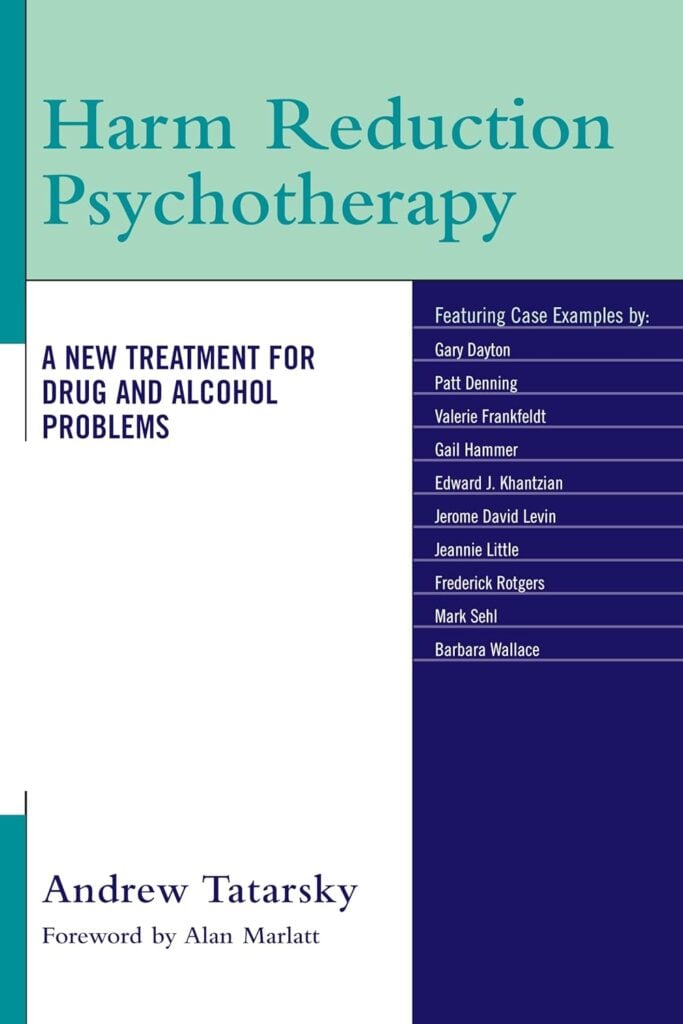
Harm Reduction Psychotherapy: A New Treatment for Drug and Alcohol Problems
My writing has focused on developing and communicating a comprehensive approach to psychotherapy that integrates harm reduction principles with relational, psychodynamic, cognitive-behavioral, and mindfulness-based approaches.
My book, Harm Reduction Psychotherapy: A New Treatment for Drug and Alcohol Problems, helped establish harm reduction psychotherapy as a distinct clinical approach to substance use treatment.
Through this book, professional articles, book chapters, and international teaching, I’ve sought to advance a model that places the therapeutic relationship, emotional meaning, client autonomy, and positive change at the center of treatment.
My more recent work explores the broader relevance of this approach to addictive and compulsive behaviors, self-understanding, emotional well-being, and the universal human challenge of changing patterns that both help and hurt us.
Free book in Russian
Free book in Spanish

The Principles That Guide My Work
- Dignity First
Every person deserves to be treated with respect, regardless of their struggles, choices, or readiness to change.
- Curiosity Rather Than Judgment
Even behaviors that cause suffering have meaning. Understanding them opens possibilities that judgment often closes.
- Acceptance and Change Belong Together
Acceptance is not resignation. Feeling understood and accepted can create the safety needed for honest exploration and meaningful change.
- Ambivalence Is Part of Being Human
We often have good reasons both to continue and to change. Both sides deserve attention, understanding, and respect.
- The Relationship Is Central
A collaborative, authentic, and emotionally engaged therapeutic relationship can become a powerful vehicle for healing.
- Any Positive Change Matters
Change is not a single event or a predetermined destination. It is a personal process that can take many forms and unfold over time.
Conversations, Interviews, and Professional Collaborations
I’ve had the privilege of participating in conversations with clinicians, researchers, advocates, and other leaders working to expand our understanding of addiction, psychotherapy, harm reduction, and human change.
These discussions explore how we can create more compassionate and effective approaches to helping people, both in individual psychotherapy and across the broader systems of care.
Explore selected interviews, presentations, and professional collaborations below.


What I Bring to Therapy, Training, and Consultation
- An Original, Comprehensive Clinical Model
I developed Integrative Harm Reduction Psychotherapy through decades of clinical experience, theoretical integration, teaching, and ongoing reflection on what helps people change.
- A Deep Appreciation of Human Complexity
My work draws on psychoanalysis, relational psychotherapy, cognitive-behavioral approaches, mindfulness, and harm reduction to understand the emotional, psychological, and relational dimensions of human behavior.
- Experience with Difficult and Complex Clinical Situations
I have extensive experience helping people navigate substance use, compulsive behaviors, trauma, emotional suffering, ambivalence, and difficult patterns of relating to themselves and others.
- A Commitment to Dignity and Collaboration
I believe people are more able to explore their struggles and make meaningful changes when they feel genuinely respected, understood, and supported in defining their own goals.
- A Commitment to Teaching and Advancing the Field
Through international training, supervision, consultation, writing, and professional collaboration, I work to help clinicians develop greater confidence, flexibility, and effectiveness in their clinical practice.
Work With Me
For Individuals, Couples, and Families
If you’re struggling with behaviors or emotional patterns that both help and hurt you, or simply want to understand yourself more deeply and create meaningful change, I offer a collaborative, compassionate approach to psychotherapy.
Whether your concerns involve substance use, compulsive behaviors, anxiety, trauma, relationships, or other challenges, our work begins with understanding your experience, your needs, and what matters most to you.
For Mental Health Professionals and Organizations
If you’re interested in learning Integrative Harm Reduction Psychotherapy, I offer professional training, clinical consultation, supervision, workshops, and keynote presentations.
My teaching emphasizes both the theoretical foundations and practical clinical applications of IHRP, helping professionals deepen their understanding of human behavior and expand their capacity to support positive change.